

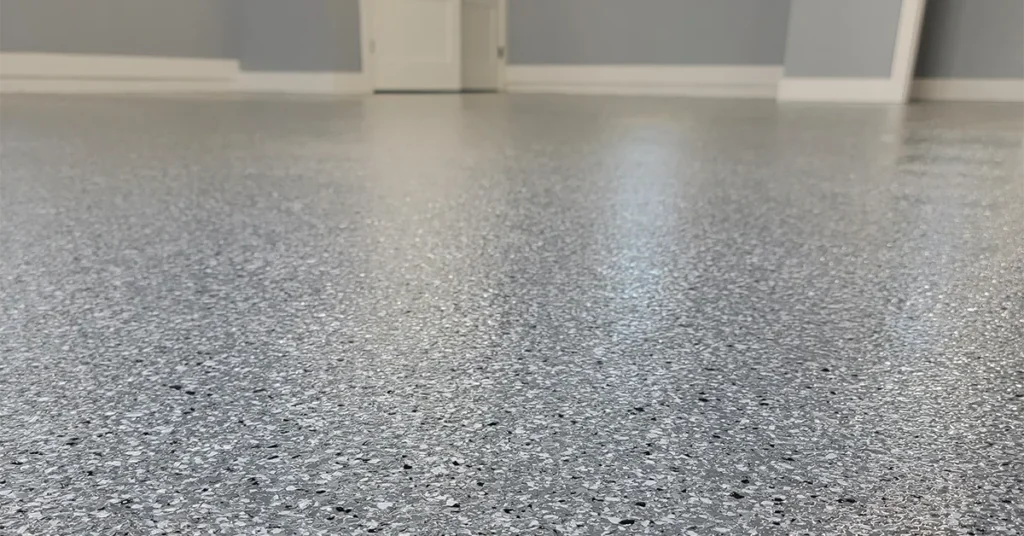
When most homeowners upgrade their garages, flooring is often the first place they look. A clean, durable, and attractive garage floor not only transforms the overall appearance of the space but also protects the concrete from damage. While epoxy used to be the go to choice, a newer and more advanced option has become increasingly popular. That option is the polyurea garage floor coating system.
Polyurea has gained a strong reputation in residential and commercial settings because of its unbeatable strength, quick installation, and long lifespan. Many homeowners are now choosing polyurea over epoxy because it delivers a more professional, longer lasting finish that performs well in nearly every climate. Although epoxy remains a good option for budget conscious projects, polyurea stands in a category of its own for quality, resilience, and flexibility.
This guide breaks down everything you need to know about polyurea floor coatings. From benefits and application steps to costs, colors, maintenance, and expert tips, you will learn what makes polyurea the superior choice for a long lasting garage makeover.
What Is a Polyurea Garage Floor Coating
A polyurea garage floor coating is a specialized type of coating made from synthetic polymers. It cures rapidly, forms an incredibly strong bond with concrete, and creates a seamless surface that resists chemicals, abrasion, impact, water, and UV rays. Polyurea is a cousin of polyurethane but offers faster curing and greater flexibility.
In professional garage floor systems, polyurea is often paired with a polyaspartic topcoat. The combination produces a highly durable multilayer system that is more flexible and more resistant to wear than traditional epoxy.
Polyurea was originally developed for industrial and military use. It is strong enough for factories, warehouses, machine shops, and outdoor environments. Today, homeowners benefit from the same level of performance in their garages, workshops, patios, and basements.
Benefits That Make Polyurea a Standout Choice
Homeowners and contractors praise polyurea coatings for their unmatched performance. Here are the advantages that make a polyurea floor coating one of the toughest options on the market.
1. Rapid Curing and Fast Installation
Polyurea cures quickly, often within 24 hours. This allows you to walk on the floor the same day and park your car within a day or two. Epoxy can take three to seven days to fully cure. If you need a fast turnaround, polyurea is hard to beat.
2. Extreme Durability
Polyurea is highly resistant to scratches, stains, abrasions, and chemicals. It holds up against:
- Gasoline
- Oil
- Brake fluid
- Road salts
- Tools
- Tire marks
This makes it ideal for garages that double as workshops or storage areas.
3. Superior Flexibility
Concrete floor expands and contracts with temperature changes. Epoxy tends to crack as the slab moves. Polyurea stretches and flexes, allowing it to withstand extreme temperatures without failing. This makes it ideal for regions with hot summers or freezing winters.
4. UV Stable and Fade Resistant
Epoxy yellows when exposed to sunlight. Polyurea and polyaspartic topcoats remain clear and maintain their color even with direct sunlight exposure. This makes them perfect for garages with windows, open doors, and outdoor surfaces like patios.
5. Slip Resistant and Safe
Polyurea coatings often include traction additives or decorative flakes that provide grip. This reduces the chance of slipping when the surface is wet.
6. Long Lifespan
While epoxy floors last about five to ten years, a properly installed polyurea coating can last fifteen to twenty years or longer. It is one of the most long lasting garage flooring solutions available.
Polyurea vs Epoxy: What Is the Difference
Although both materials are used for garage flooring, polyurea has several advantages.
1. Strength and Flexibility
Polyurea is stronger and more flexible, which helps it resist cracking.
2. UV Resistance
Polyurea stays clear and does not yellow. Epoxy tends to discolor over time.
3. Curing Speed
Polyurea cures rapidly and allows quicker use of the garage.
4. Temperature Tolerance
Polyurea can be applied in a wider range of temperatures, often from twenty to one hundred degrees Fahrenheit. Epoxy requires mild, controlled conditions.
5. Longevity
Polyurea has a significantly longer lifespan, making it a more reliable investment.
While epoxy may be cheaper upfront, many homeowners prefer polyurea because it offers a more durable and low maintenance long term solution.
Where You Can Use a Polyurea Floor Coating
Although garages are the most common application, polyurea works well in many environments.
- Residential garages
- Workshops
- Storage rooms
- Basements
- Commercial showrooms
- Warehouses
- Retail stores
- Patios
- Driveways and walkways
Its flexibility makes it suitable for both indoor and outdoor surfaces.
How Polyurea Garage Floor Coatings Are Installed
Professional installers typically complete a polyurea system in one day. Here is what the process looks like.
1. Grinding and Surface Prep
The concrete is ground using industrial diamond grinders. This opens the surface and removes stains, coatings, and imperfections.
2. Crack and Pit Repair
Cracks, chips, and pits are repaired using a fast curing filler material. This ensures a smooth, even base.
3. Application of a Polyurea Base Coat
The first coat is applied directly to the concrete. Polyurea bonds deeply into the pores of the slab, creating a strong foundation.
4. Broadcasting Decorative Flakes
If you want a decorative texture, colored flakes are thrown onto the wet base coat. They add traction, style, and thickness.
5. Scraping and Leveling
After curing, excess flakes are scraped away and the surface is smoothed out.
6. Polyaspartic or Polyurea Topcoat
A clear topcoat seals the floor, making it glossy, UV stable, and highly durable.
Because polyurea dries quickly, the installer must work efficiently. This is one reason many homeowners choose professional installation.
Popular Style and Color Options
One of the most appealing aspects of a polyurea floor coating is how customizable it is. Here are some of the most common design options.
1. Decorative Flake Floors
These are the most popular. They provide texture, hide imperfections, and deliver a granite like appearance.
Popular color blends include:
- Gray and charcoal mixes
- Blue and black
- Mocha and tan
- White and charcoal
2. Solid Color Floors
A single color creates a clean, modern appearance. Great for minimalistic spaces.
3. Quartz Floors
Quartz sand is added to create a textured, ultra durable surface. Excellent for workshops or commercial areas.
4. Metallic Finishes
For a showroom level appearance, metallic pigments create swirling, eye catching patterns.
5. Clear Coats
If you want to preserve the natural concrete look, a clear polyurea topcoat can be used.
Cost of a Polyurea Garage Floor Coating
Prices vary depending on the size of the garage, condition of the concrete, and your location. On average, homeowners pay between five and ten dollars per square foot for a professional installation.
This price includes:
- Grinding and prep
- Crack repair
- Base coat
- Decorative flakes
- Topcoat
Although it costs more than epoxy, the longer lifespan and lower maintenance make polyurea a better long term value.
How to Maintain a Polyurea Garage Floor
Maintenance is simple and minimal. Here is how to keep your floor looking amazing.
- Sweep regularly to remove dust and grit
- Mop with warm water and mild floor cleaner
- Avoid abrasive pads and harsh chemicals
- Place mats under heavy equipment
- Wipe up oil or spills quickly
With proper care, your polyurea floor can stay glossy and strong for many years.
FAQ’s
How long does a polyurea garage floor coating last
A high quality polyurea system can last fifteen to twenty years or more. In many cases, it outlasts epoxy by double.
Can polyurea be installed in cold temperatures
Yes. Polyurea can be applied in colder temperatures than epoxy, often as low as twenty degrees Fahrenheit.
Is polyurea better than epoxy
In most situations, yes. Polyurea is more flexible, stronger, UV resistant, and faster to cure.
How soon can I use my garage after applying polyurea
You can walk on it in a few hours and park on it after about twenty four hours depending on temperature and humidity.
Will a polyurea coating crack
Polyurea is flexible and resistant to cracking. It moves with the concrete, which helps prevent damage over time.
Conclusion
A polyurea garage floor coating is one of the strongest and most reliable upgrades you can make to your home. It delivers unmatched durability, quick installation, chemical resistance, and a high end appearance that enhances the entire garage. Whether you want decorative flakes, a solid color finish, or a custom texture, polyurea offers endless design possibilities with performance that outshines traditional epoxy. For homeowners who want a long lasting, low maintenance, and visually impressive flooring solution, polyurea is a top tier choice that pays off for many years.