

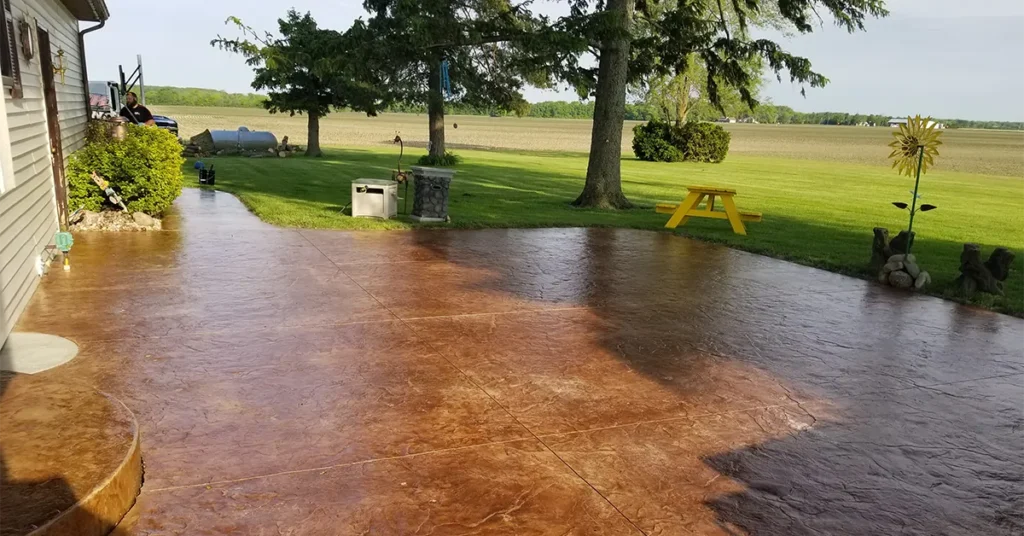
Concrete plays a major role in outdoor construction, especially for driveways, patios, walkways, and foundation bases. Traditional concrete installation involves mixing water with cement, pouring the mixture, and then leveling and finishing the wet surface. However, many homeowners and DIY builders are now exploring a simpler and more cost effective method known as dry pour concrete. This approach eliminates the need for premixed concrete slurry and allows the concrete to set naturally when exposed to moisture from the environment or water added afterward.
Dry pour concrete can be beneficial for certain types of projects, especially when you want to complete the job quickly or when it is difficult to properly mix concrete by hand. While this technique is not suited for every application, it can work well in specific situations such as fence posts, footings, paver bases, and sometimes small driveway and patio projects.
This guide explains everything you need to know about dry pour concrete, including how it works, when it should be used, advantages, limitations, installation techniques, and common mistakes to avoid. By the end, you will have a complete understanding of whether this method is right for your next construction project.
What Is Dry Pour Concrete
Dry pour concrete is a method in which dry concrete mix is poured directly into a prepared area without combining it with water beforehand. Once the dry mix is in place, water is applied over the surface or allowed to penetrate naturally from the ground or weather conditions. The moisture activates the cement, which then hardens over time.
This method is often used for:
- Fence posts
- Mailbox posts
- Footings for light structures
- Paver bases
- Smaller walkways
- Minor repairs
- Some patio and driveway projects
When used correctly, a dry pour concrete slab can become sturdy, durable, and long lasting. The key is understanding when this technique is appropriate and what steps are needed to create a reliable foundation.
How Dry Pour Concrete Works
To understand dry pouring, it helps to know how concrete cures. Traditional concrete mixes with water to create a chemical reaction called hydration. Hydration causes the cement to harden and bind aggregate materials together.
With dry pour methods, hydration occurs more slowly. The surrounding soil moisture, rainfall, or added water penetrates the dry mix. Over time, the concrete cures from the top down and from the edges inward.
The result is a hardened slab or base that stabilizes the structure above it. While the curing process may take longer, the final product can still be reliable if the mix receives enough moisture and is installed correctly.
Pros and Cons of Dry Pour Concrete
Dry poured concrete has gained popularity, but it is not suitable for every application. Here are the primary advantages and disadvantages.
Advantages
1. Easier Installation
Dry pouring eliminates the need for mixing tools or wheelbarrows. You simply open the bags and pour the dry mix into place.
2. Faster Preparation
There is no need to mix water and cement manually, making it ideal for large areas or remote job sites.
3. Helpful for Tight Spaces
When working in areas that are difficult to reach, a dry concrete pour can be much easier than traditional methods.
4. Ideal for Posts and Footings
Water naturally flows toward the buried concrete mix, helping it cure without constant manual watering.
5. Lower Labor Costs
The method reduces the amount of physical labor needed, making it a budget friendly option for many homeowners.
Disadvantages
1. Limited Strength Compared to Wet Pour
Dry poured concrete may not achieve the same strength as concrete mixed with water before placement.
2. Slower Curing Time
It can take longer for the slab to fully harden, especially in dry climates.
3. Not Suited for Large Structural Projects
Driveways with heavy vehicle traffic or thick load bearing slabs may require traditional wet poured concrete.
4. Risk of Uneven Moisture Absorption
If the water does not reach every part of the mix, pockets of weak concrete can form.
5. Not Ideal for Finish Work
Finishes like broom textures, troweling, and smooth surfaces are harder to achieve.
When Should You Use Dry Pour Concrete
Dry pour methods are great for lightweight applications and some medium load projects when conditions allow. Here are the best uses.
1. Fence Posts and Mailbox Posts
This is the most common use for dry concrete. The soil naturally provides moisture to help the concrete set.
2. Paver Bases
A dry pour concrete slab under pavers can create a stable base for patios and walkways.
3. Light Duty Patios
Smaller patios that support furniture, grills, and foot traffic can handle dry pour installation if done correctly.
4. Garden and Landscape Edging
Dry pour methods work well for securing edging stones or garden beds.
5. Shed Foundations
Small sheds or garden structures may use dry pour concrete for footings or pads.
6. Low Traffic Driveways
In regions with consistent rainfall, some homeowners successfully use dry pour methods for driveway extensions or repairs. However, this must be done with caution.
How to Dry Pour Concrete Correctly
If you want strong results, follow these steps on how to dry pour concrete.
Step 1. Prepare the Area
Clear vegetation, remove debris, and dig to the required depth. Driveways and patios typically need four to six inches of concrete depth.
Step 2. Compact the Soil
Use a tamper to compact the soil. Loose soil can weaken the slab.
Step 3. Add a Gravel Base
Add two to three inches of crushed stone or gravel. This helps with drainage and improves stability.
Step 4. Pour the Dry Concrete Mix
Evenly distribute the dry concrete mix across the area. Use a rake or shovel to level the surface. For thicker applications, pour in layers.
Step 5. Wet the Surface
Slowly spray water over the area. The water must soak into the mix without pooling.
Step 6. Allow Gradual Curing
Avoid walking on the slab while it cures. Depending on the climate, curing may take several days.
Step 7. Add More Water as Needed
If the surface appears dry within the first day, lightly mist it again to ensure full penetration.
Tips for a Strong Dry Pour Concrete Slab
To improve the quality and strength of your dry pour concrete slab, use these suggestions.
- Do not rush the watering process
- Avoid adding too much water at once
- Install forms to keep edges clean
- Use rebar or mesh for added strength
- Keep the area moist for the first forty eight hours
- Work during mild temperatures for best curing
These steps help the concrete cure evenly and prevent weak spots.
Common Mistakes to Avoid
If you plan to work with dry pour concrete, avoid these errors.
Using Too Much Water
Oversaturating the surface washes away cement and weakens the slab.
Not Using Enough Gravel
Without a gravel base, water can pool underneath and cause cracking later.
Uneven Distribution
Uneven depth causes inconsistent curing.
Using Dry Pour for High Load Areas
Large driveways with frequent vehicle traffic need traditional pouring.
Ignoring Weather Conditions
Hot and dry weather slows curing while heavy rain can wash away the mix.
Is Dry Pour Concrete Strong Enough for Driveways
This is a common question among homeowners. The answer depends on several factors.
Dry pour methods can work for:
- Light duty driveway extensions
- Parking pads for compact cars
- Low traffic areas
However, for high traffic driveways that support large vehicles, a traditional wet pour is recommended because it produces higher compressive strength.
Dry pour works best when used as a base, a stabilizer, or for smaller concrete sections.
Dry Pour Concrete for Patios
Many homeowners successfully build patios using dry pour methods. Since patios do not bear the same weight as driveways, the approach can be effective and affordable.
Dry pour is ideal for:
- Stone patios
- Paver patios
- Small concrete pads
- Outdoor seating areas
As long as the slab is properly watered and supported by gravel, it can last for many years.
Maintenance Tips for Dry Poured Concrete
Dry pour slabs require the same care as traditional concrete.
- Seal the surface every two to three years
- Clean regularly to prevent stains
- Avoid using harsh chemicals
- Protect edges from erosion
- Fix small cracks early
With proper care, dry poured concrete can remain strong and stable.
FAQ’s
How strong is dry pour concrete
Dry pour concrete can be strong enough for light to medium duty projects. For heavy vehicle loads, wet poured concrete is recommended.
Can I build a driveway with a dry concrete pour
Yes, but only for light duty use. Areas with heavy truck or SUV traffic need a traditional pour.
How long does dry pour concrete take to cure
Curing can take several days. Moisture must penetrate fully for the concrete to harden properly.
Can dry pour concrete be used under pavers
Absolutely. It creates a stable and durable base for patios and walkways.
How do I know if I added enough water
The surface should appear evenly damp but not flooded. You may need to mist lightly over the next one or two days.
Conclusion
Dry pour concrete is an effective and user friendly solution for many outdoor projects, including patios, walkways, paver bases, garden areas, and some light duty driveways. It simplifies installation, reduces labor, and eliminates the need for mixing tools. While it may not be ideal for heavy structural applications, a well prepared and properly watered dry pour concrete slab can be reliable and long lasting.
By understanding how to dry pour concrete correctly and following best practices, homeowners can create stable and durable surfaces that support a variety of outdoor uses. Whether you are building a patio, extending a driveway, or preparing a foundation for a small structure, dry pour techniques provide a flexible and cost friendly way to get the job done.