

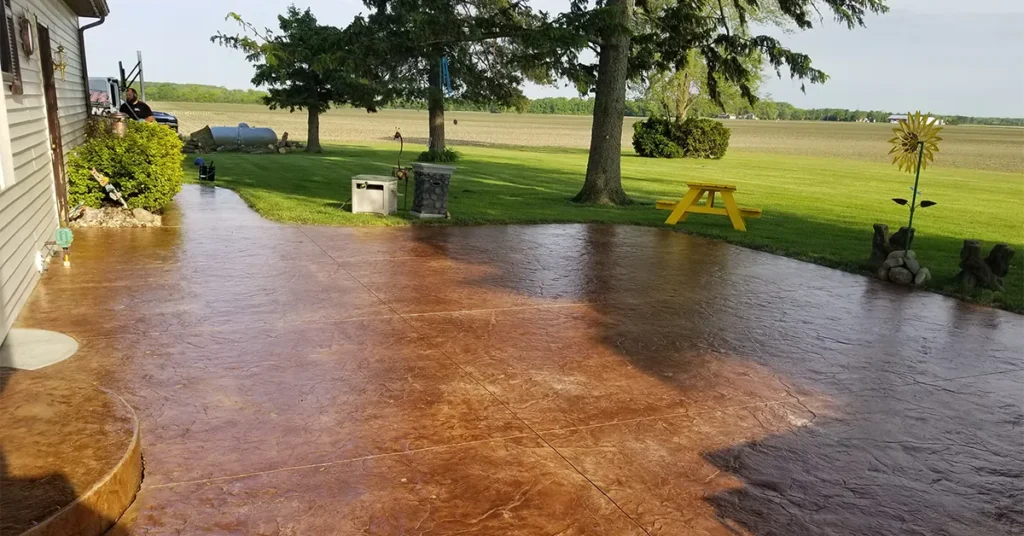
Concrete is no longer seen as a cold surface that sits quietly in basements and garages. With the right finish, it becomes a centerpiece of interior design and a reliable foundation for demanding environments. Today’s concrete floor finishes can look warm, modern, rustic, luxurious, or industrial, depending on how you treat the surface.
Let’s discuss modern finish types, real-world durability, installation details, and the practical considerations that homeowners and businesses often overlook. If you are exploring polished concrete, epoxy coatings, stains, or textured finishes, this complete guide will help you understand the strengths of each option in a clear and helpful way.
Why Concrete Floor Finishes Are Becoming a Top Choice
Concrete floors appeal to homeowners and designers for many reasons. They offer strength but also aesthetic freedom. They support heavy use but still clean easily. They work in modern homes, rustic interiors, commercial spaces, and open concept layouts.
Some of the main reasons concrete finishes are gaining popularity include:
Long-term durability
Concrete does not warp, dent, or peel the way wood or vinyl sometimes do. When finished correctly, it can endure decades of regular use without losing its structure.
Design versatility
Concrete can take on many personalities. It can be polished until it shines like stone, stained to look artistic and earthy, painted to add color, or coated with resin for an incredibly durable finish.
Easy maintenance
Most finishes only need simple cleaning with a mop, vacuum or broom. There are no grout lines, planks, or delicate surfaces that need special attention.
Cost efficiency over time
Concrete floors do not require frequent replacement. Even when a finish ages, it can often be refreshed without removing the original slab.
Compatibility with modern design
Concrete blends naturally with open floor plans, glass walls, wood furniture, metal decor and neutral color palettes. It brings a refined yet grounded feel to a space.
Exploring the Most Popular Types of Concrete Floor Finishes
Below is a detailed breakdown of the most common types of concrete floor finishes, including where they work best and what makes each style unique.
1. Polished Concrete Floor Finishes
Elegant, reflective, and incredibly long-lasting.
Polished concrete is created by grinding the concrete surface with industrial machines. The floor is then refined through multiple stages until it achieves the desired level of smoothness and shine. Some people want a soft, matte sheen while others prefer a glossy look that reflects light.
Why polished concrete is valued
- It brightens rooms because its reflective surface increases the amount of natural light.
- It resists stains when sealed properly.
- It never peels or delaminates because there is no topical coating.
- It creates a luxurious and clean appearance without requiring expensive materials.
Where it works best
- Living rooms
- Kitchens
- Retail stores
- Offices
- Restaurants
Polished concrete does extremely well in warm climates because it helps keep interiors cooler. It also works with radiant heating, making it pleasant in colder regions as well. Because the surface is mechanically hardened, polished concrete often outlasts many other hard flooring types.
2. Epoxy Concrete Floor Finishes
Protective, customizable, and highly durable.
Epoxy coatings form a thick and seamless surface that bonds tightly to the concrete below. This creates an incredibly strong finish that resists chemicals, oil, moisture, and abrasion.
Where epoxy finishes excel
- Garages
- Workshops
- Industrial facilities
- Commercial kitchens
- Warehouses
These coatings are especially popular as garage concrete floor finishes because they protect the floor from hot tire marks, spills, chemical cleaners, and the general wear from vehicles.
Customization options
- Color flakes for added texture
- Solid color finishes
- Metallic finishes for a modern and artistic look
- High gloss or satin protective top coats
Epoxy coatings do more than improve appearance. They protect the concrete from surface damage, prevent dust, and make the garage feel cleaner and brighter. Some epoxy systems include quartz sand or traction additives to improve grip and safety.
3. Stained Concrete Finishes
Warm, artistic, and full of character.
Stained concrete brings color and depth to the floor. Acid-based stains create natural variations and marbled patterns, while water-based stains offer more predictable and vibrant colors.
Why stained concrete appeals to homeowners
- Each floor looks different and carries its own visual story
- Stains can mimic marble, stone, or rustic textures
- Works beautifully in both modern and traditional homes
Best locations for stained finishes
- Entryways
- Kitchens
- Sunrooms
- Restaurants and cafes
- Outdoor patios
Stained concrete is often chosen by people who want a custom look without the cost of imported stone. When sealed correctly, stained floors remain resistant to spills and foot traffic.
4. Sealed Concrete Finishes
Natural, simple, and protective.
A concrete sealer preserves the raw look of the concrete while adding a layer of protection against moisture and minor stains. Sealers come in matte, satin, or glossy finishes depending on the desired look.
Best for:
- Basements
- Workshops
- Storage rooms
- Light-use commercial spaces
Sealed concrete is a low-cost option for homeowners who want the charm of raw concrete without leaving it unprotected. Periodic resealing is required, but maintenance is still simpler than many other flooring systems.
5. Textured Concrete Finishes
Slip-resistant and ideal for outdoor environments.
These finishes include broom finishes, stamped patterns, exposed aggregate, and sandblasted surfaces. They improve traction and add visual interest.
Where textured finishes shine
- Pool decks
- Patios
- Driveways
- Outdoor entertainment areas
- Pathways and walkways
Stamped concrete can imitate high-end materials such as slate, cobblestone, or brick while remaining more affordable and easier to maintain.
6. Painted Concrete Finishes
A quick transformation with plenty of color options.
Concrete paint allows homeowners to give tired floors a fresh look without heavy labor. While not as durable as epoxy or polish, it still benefits low-traffic spaces.
Best suited for:
- Laundry rooms
- Utility areas
- Workshops
- Seasonal rooms
Concrete paint works as a short-term solution or a decorative layer on top of older floors. It is often used when homeowners want immediate visual improvement without long installation processes.
Interior Concrete Floor Finishes: Sophisticated and Practical
Interior concrete floor finishes offer a balance of beauty and functionality. They resist spills, foot traffic, and everyday wear while blending seamlessly with many design styles. Concrete pairs well with warm wood tones, soft textiles, modern metal accents, and bold furniture choices.
Interior concrete finishes are particularly loved for:
- Their smooth, continuous appearance that unifies open floor plans
- Their ability to transition easily between rooms without visible breaks
- Their low maintenance and stain resistance
- Their adaptability to both minimal and expressive decor
Concrete can feel warm and inviting when paired with soft lighting, natural fabrics, and furniture with texture.
Garage Concrete Floor Finishes: Built for Real World Use
Garages demand a finish that is tougher than what most household floors need. Cars leak oil. Tools fall. Moisture collects. Heavy storage items slide across the surface. Unfinished concrete in garages often erodes, cracks, and becomes dusty.
Garage concrete floor finishes such as epoxy or polyaspartic coatings create surfaces that:
- Resist chemicals and oil
- Prevent concrete dusting
- Handle heavy vehicles
- Improve safety by increasing traction
- Make the garage easier to clean
A finished garage floor also increases the value and visual appeal of the home. Many homeowners are surprised by the transformation once the floor is coated, and the space feels brighter and more organized.
Durability: How Long Each Concrete Finish Really Lasts
Understanding long-term performance helps homeowners choose the right option.
Polished concrete
Extremely long-lasting. With proper care, it can remain in excellent shape for decades.
Epoxy coatings
Strong and durable. They may need a refreshed top layer after extended use, especially in garages.
Stained concrete
Durable, but depends on the quality of the sealer and the environment.
Sealed concrete
Provides good protection but requires periodic resealing.
Painted concrete
Least durable and typically needs touch-ups sooner than other finishes.
The good news is that concrete is permanent. Even if a finish wears down, it can often be renewed or replaced without removing the floor itself.
Installation: What Homeowners Should Expect
The installation process varies based on the finish, but the general steps remain similar.
1. Concrete assessment
Professionals inspect for cracks, moisture issues, and structural concerns. Fixing these early ensures the finish performs well.
2. Surface preparation
This step includes grinding, cleaning, patching, and removing old coatings. Many installation problems begin with poor preparation, making this the most important stage.
3. Application of finish
Depending on the chosen style, this could involve grinding, staining, applying epoxy, spraying sealer, or creating texture.
4. Curing and final protection
Floors need time to dry, set, and cure. Once complete, they become strong, stable, and ready for daily use.
Further insight
Installation quality directly affects longevity. Experienced installers understand moisture levels, surface profiles, and the correct timing for each step.
FAQ’s
Which concrete finish is best for homes?
Polished concrete and stained concrete are the most popular choices for interior spaces, as they combine strength with a refined appearance.
What finish is ideal for garages?
Epoxy or polyaspartic coatings are recommended due to their resistance to chemicals, temperature changes, and heavy traffic.
Can old concrete be refinished?
Yes. Most existing slabs can be polished, stained, or coated once they have been properly repaired and prepared.
Are concrete floors cold?
They can feel cool, but they work exceptionally well with radiant heating. Many homeowners find them comfortable with rugs or carpets in key areas.
Do concrete floors require much maintenance?
No. Most finishes require simple cleaning and occasional resealing, depending on the type of finish.
Conclusion
Concrete floors offer unmatched versatility and durability, and the right finish can transform them from simple slabs into beautiful, functional surfaces. Whether you prefer the shine of polished concrete, the strength of epoxy coatings, or the warm character of stained concrete, there is a finish that fits your style and needs.
From elegant interior concrete floor finishes to hardworking garage concrete floor finishes, concrete brings long-term value and design freedom that few other materials can match.