
What Is Polyaspartic Floor Coating? Benefits, Costs, and Applications
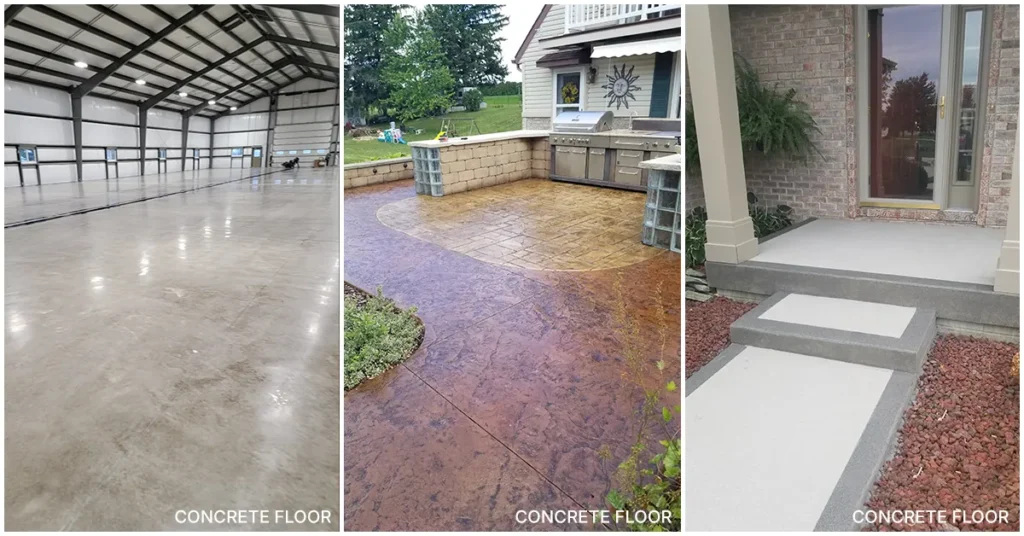
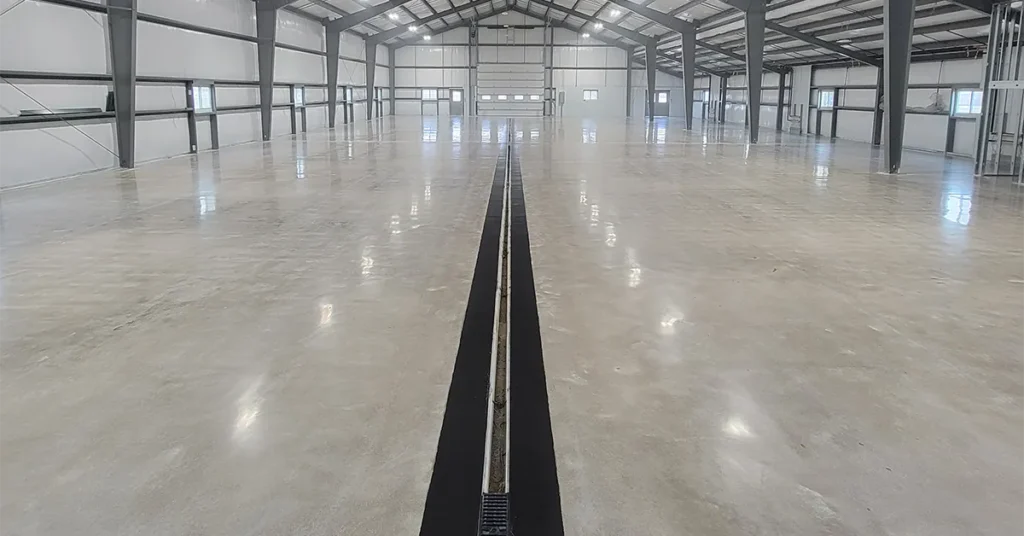
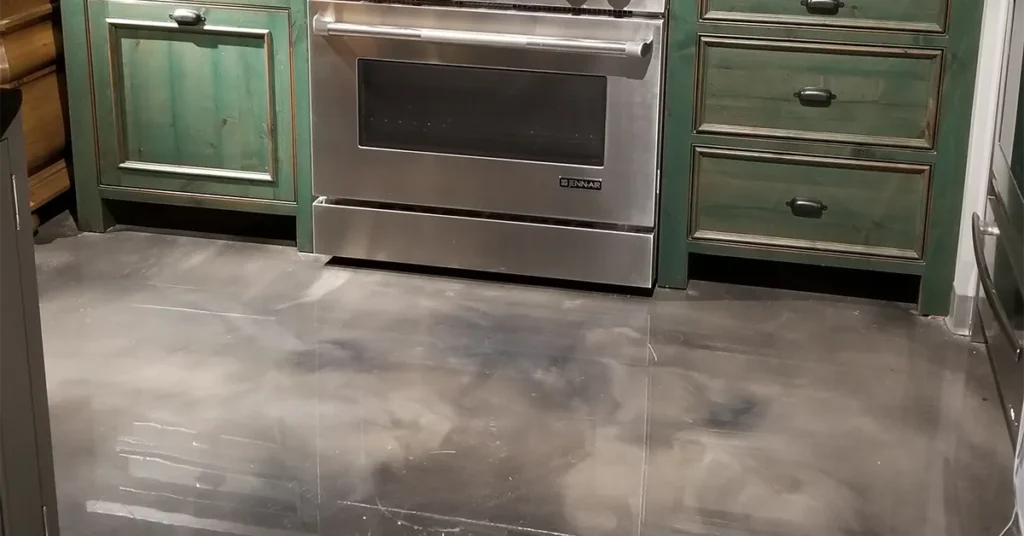
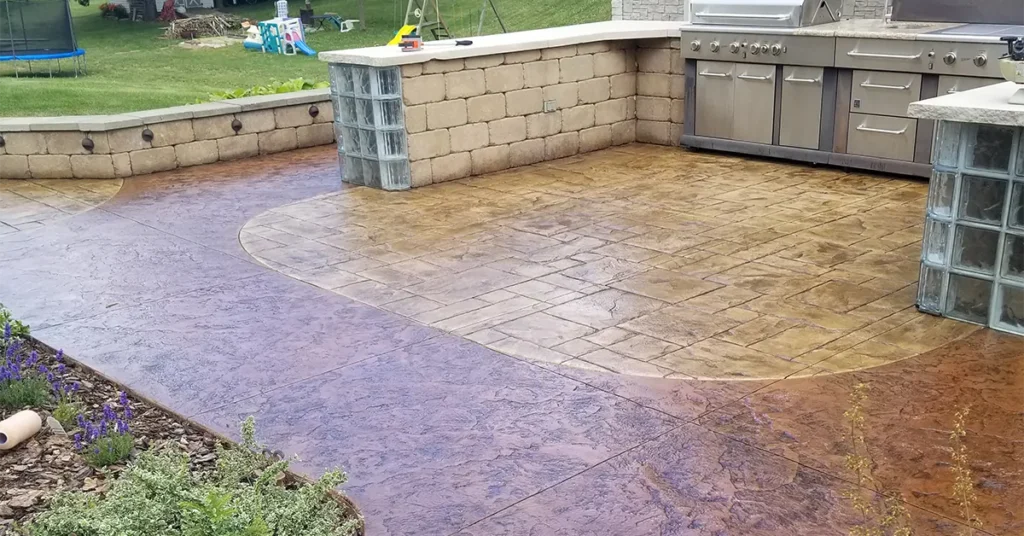
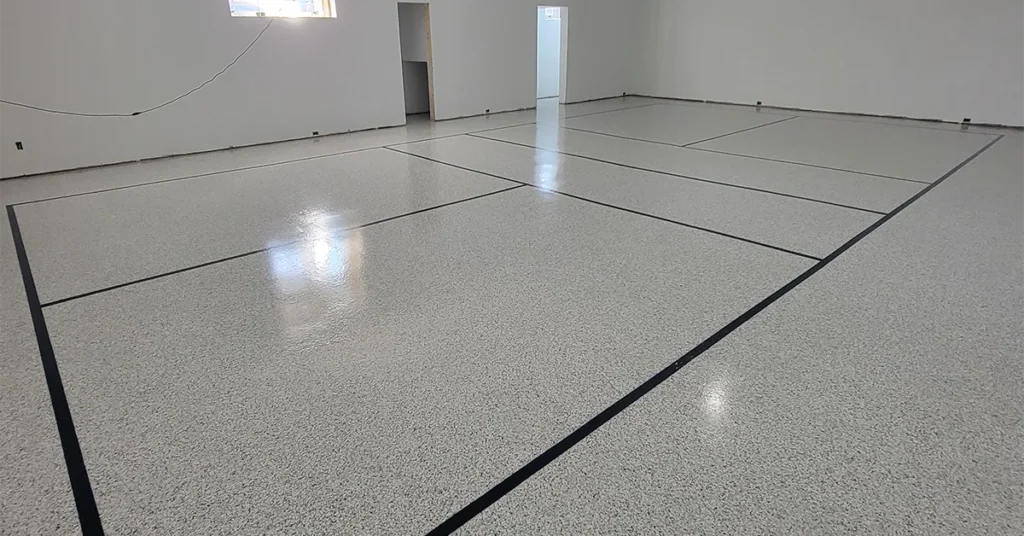
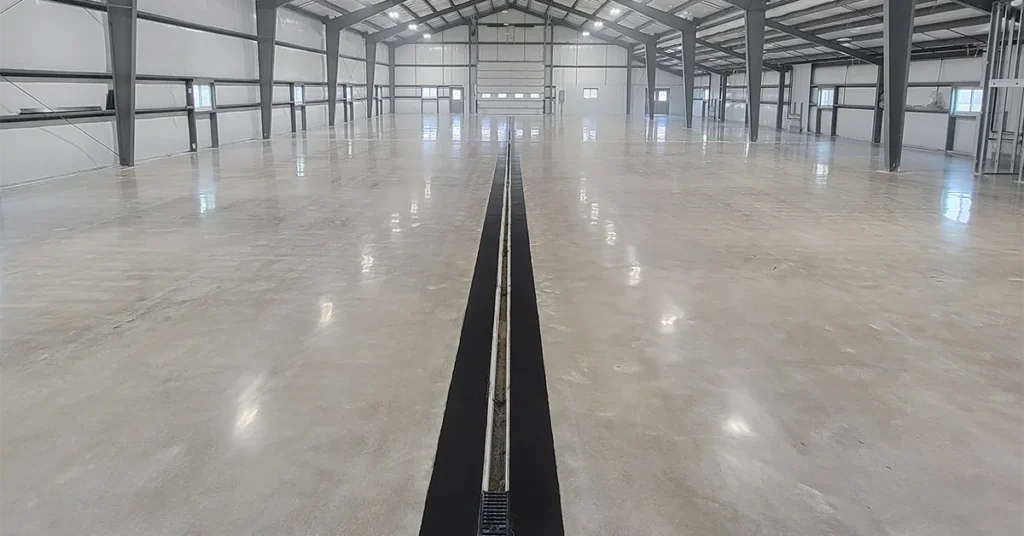
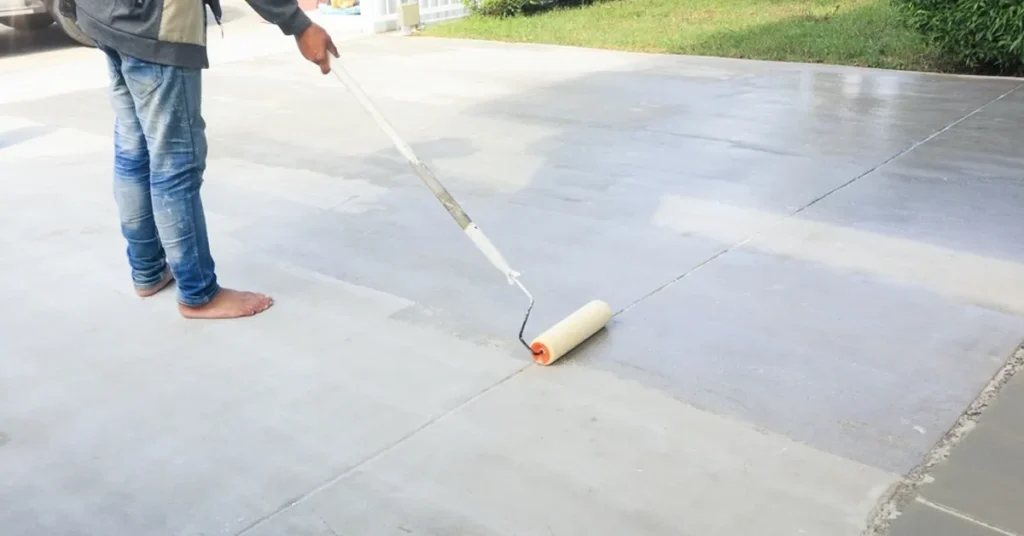
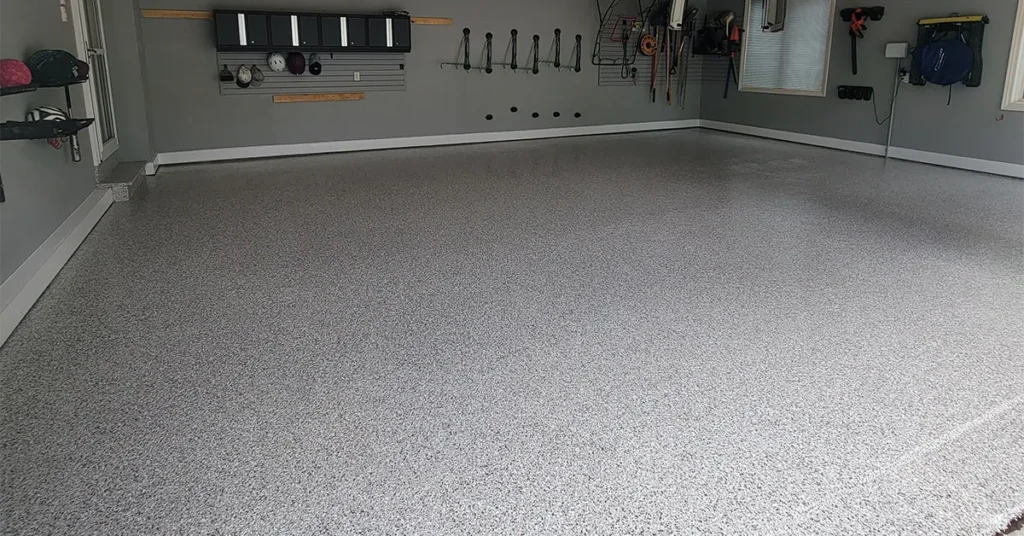
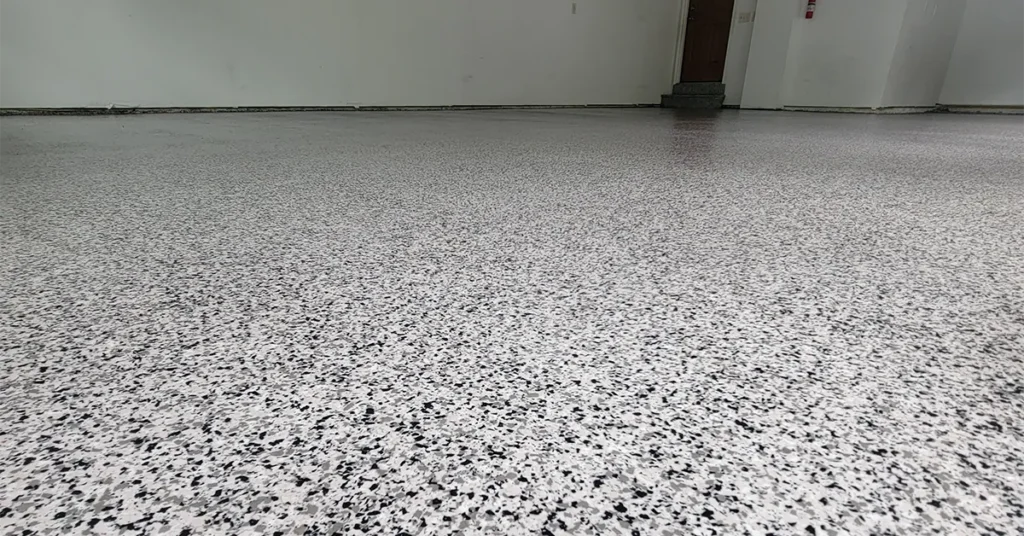
You walk into your neighbor’s garage and your jaw drops. Their floor looks absolutely incredible – glossy, smooth, and professional. When you ask what kind of coating they used, they say “polyaspartic.” You’ve heard of epoxy floors, but this polyaspartic stuff is new to you. Don’t worry, you’re not alone. Polyaspartic floor coating is still relatively new compared to traditional epoxy. Still, it’s quickly becoming a go-to choice for homeowners and businesses wanting the best protection and appearance for their floors. Let me explain everything you need to know about polyaspartic floor coating. By the end, you’ll understand exactly what it is, why it might be perfect for your space, and how it compares to other options. What Exactly Is Polyaspartic Floor Coating? Think of polyaspartic coating as traditional epoxy’s newer, more advanced cousin. Polyaspartic floor coating is a type of protective surface layer derived from aliphatic polyurea. Originally developed for industrial use, it is now adapted for broader applications, including garages, retail spaces, and warehouses. The chemistry behind it is pretty interesting, but here’s what matters to you: when applied to your concrete floor, it creates an incredibly tough, seamless surface that can handle just about anything you throw at it. What makes polyaspartic different from regular epoxy? The key is in how it cures. While epoxy takes its sweet time to harden (which has advantages and disadvantages), polyaspartic cures much faster. This quick cure time affects everything from installation to performance. Understanding Base Coats and Top Coats Here’s where things get really interesting, and this is knowledge that most homeowners never learn. Professional floor coating systems don’t just slap one layer of coating on your concrete and call it a day. They use a sophisticated two-layer system. The base coat is your foundation layer. Its main job is to create the strongest possible bond with your concrete floor. This layer must penetrate deep into the concrete pores and anchor everything that comes after it. The top coat is your protection layer. It shields everything underneath from scratches, chemicals, UV rays, and daily wear and tear. Now here’s the thing about polyaspartic: it works incredibly well as a top coat. In fact, most professional installers will tell you that polyaspartic makes the best top coat available. It’s the most scratch-resistant option, won’t yellow over time, and provides superior UV protection. But for base coats? That’s where it gets more complicated. Polyaspartic cures so fast that it doesn’t have as much time to soak deep into your concrete pores compared to slower-curing options like epoxy. This means it doesn’t bond quite as strongly to the concrete in comparison to epoxy. The Smart Combination Approach This is where professional installers get smart. Instead of using polyaspartic for everything, they often use what’s called a combination system: Epoxy base coat for maximum concrete adhesion and strength Polyaspartic top coat for ultimate protection and appearance This gives you the best of both worlds. You get the rock-solid foundation that epoxy provides, plus the superior protection and looks that polyaspartic delivers. However, there are situations where you might use polyaspartic for both base and top coat, particularly in outdoor applications where UV resistance is critical from the ground up. Best Place to Use Polyaspartic Coatings This fast-drying coating is perfect for both indoor and outdoor applications. It offers a sleek and durable finish that withstands the toughest conditions. Polyaspartic Garage Floor Coating Your garage is probably the most popular place for polyaspartic coating, and for good reason. Garages see everything: car tires, oil drips, dropped tools, salt from winter roads, and constant foot traffic. Polyaspartic handles all of this without breaking a sweat. Outdoor Applications This is where polyaspartic really separates itself from the competition. Patios, pool decks, driveways, walkways, anywhere the sun hits directly. While epoxy will start to yellow and amber when exposed to UV rays, polyaspartic just keeps looking great year after year. Commercial and Industrial Spaces Polyaspartic floor coatings deliver unmatched protection and performance, perfect for high-traffic garages, schools, shop floors, and commercial spaces. The fast cure time is huge for businesses because it minimizes downtime. Healthcare and Food Service Hospitals and other healthcare facilities benefit from polyaspartic coatings due to their antibacterial properties, which help reduce mold and bacteria growth, and their ability to withstand strong cleaning agents. The Benefits That Matter to You Fast Installation Remember waiting days for your epoxy floor to fully cure? Those days are over. With polyaspartic, you can often walk on your floor within hours and have full use within a day. For businesses, this minimal downtime is huge. UV Resistance Like Nothing Else This is probably the most important benefit if your floor sees any sunlight at all. Polyaspartic won’t yellow, amber, or fade even with years of direct sun exposure. Your floor will look the same in 10 years as it does on day one. Scratch Resistance Do you know how some floor coatings claim to be scratch-resistant but show marks after the first week? Polyaspartic coating is legitimately scratch-resistant. It can handle dragged furniture, dropped tools, and pet claws without showing damage. Temperature Flexibility Depending on the formulation, polyaspartics may be applied in extremely low temperatures below 0°C. This flexibility extends the performance, and the coating stays strong in both hot and cold conditions. Chemical Resistance Polyaspartic floor coatings are resistant to harsh acids found in car batteries and many other chemicals that would damage other coatings. Better for the Environment Polyaspartic floor coatings contain fewer VOCs than many other coating options, improving indoor air quality. Cost Considerations The investment in polyaspartic coating varies based on several factors, and understanding these helps you plan your project budget. What Affects Your Investment Size of Your Space: Obviously, larger areas require more material and labor time. Condition of Your Concrete: If your concrete needs repairs, crack filling, or extensive prep work, this adds to the overall project cost. System Complexity: A simple single-color polyaspartic system costs less than one with decorative
What Is Polyaspartic Floor Coating? Benefits, Costs, and Applications Read More »