

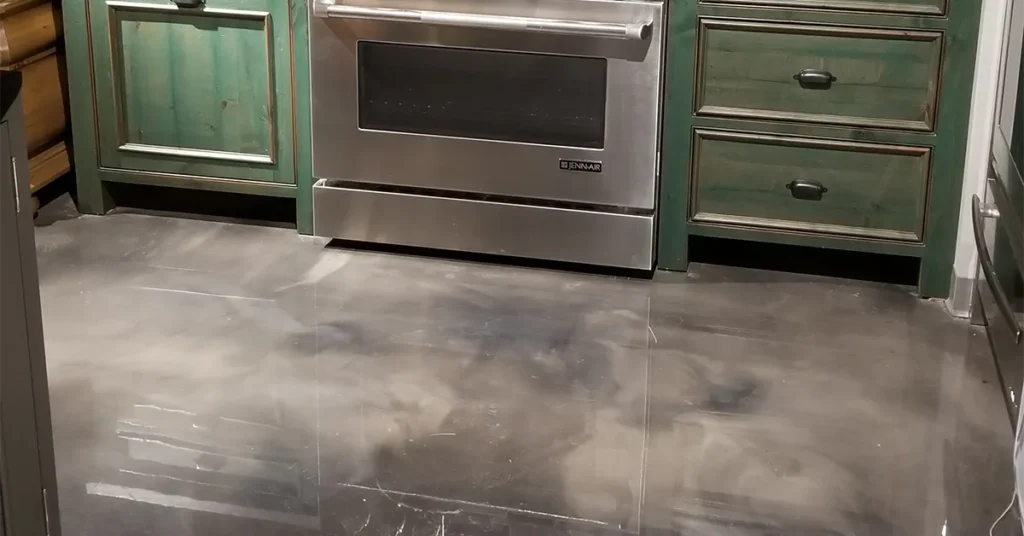
The kitchen is one of the busiest rooms in the house. It handles cooking, cleaning, spills, and heavy foot traffic, making it essential to choose a flooring option that’s both durable and easy to maintain. That’s where epoxy kitchen floors come in. Known for their strength, versatility, and stunning appearance, epoxy floors are quickly becoming a go-to choice for modern kitchens.
If you’re wondering why so many homeowners are opting for epoxy in their kitchens, or how to incorporate it into your own space, this guide covers everything you need to know. From its benefits to design ideas and general cost expectations, let’s dive into what makes epoxy kitchen floors such a standout option.
What Is Epoxy Flooring?
Epoxy flooring is made by combining two key components: a resin and a hardener. When these two substances are mixed, they create a chemical bond that forms a durable, glossy, and smooth finish. The resulting surface is non-porous, which means it resists stains, water damage, and wear and tear, making it ideal for high-traffic areas like the kitchen.
Unlike traditional flooring options, epoxy doesn’t absorb spills, oils, or moisture, which makes cleaning a breeze. Plus, it’s highly customizable in terms of color, design, and finish, giving homeowners the flexibility to create a floor that perfectly matches their kitchen’s style.
The Benefits of Epoxy Kitchen Floors
1. Incredible Durability
Kitchen floors endure a lot of stress. From foot traffic to dropped utensils and spilled liquids, they need to be tough enough to withstand it all. Epoxy kitchen floors are incredibly resilient, able to resist cracks, stains, and scratches. The surface can handle heavy kitchen appliances, daily cleaning, and the occasional mishap, ensuring your floor stays in great condition for years to come.
2. Low Maintenance
Traditional kitchen floors, like tile or wood, often require regular sealing, cleaning, and repairs. Not epoxy. Its non-porous surface makes it resistant to dirt, grime, and stains, so it’s easier to keep clean. A quick sweep and mop are usually all that’s needed to maintain its shine, making it perfect for busy kitchens.
3. Aesthetic Appeal
One of the best things about epoxy kitchen floors is their appearance. Whether you prefer a sleek, modern look or a more textured, decorative design, epoxy offers a variety of finish options. You can go for a high-gloss finish that reflects light and makes the space feel brighter, or opt for a matte look for a more understated style.
Epoxy flooring can also mimic the appearance of expensive materials like marble, granite, or terrazzo, offering a luxurious look without the hefty price tag. And if you want to add some personality, custom colors, metallic effects, or decorative flakes can be incorporated into the floor to make it uniquely yours.
4. Water and Chemical Resistance
Kitchens are exposed to moisture, oils, and chemicals daily. The beauty of epoxy kitchen floors is that they are completely resistant to water and chemicals. Spills from cooking oils, sauces, and cleaning products won’t seep into the floor or cause damage, unlike traditional floors that can stain or warp from moisture.
This water resistance also helps prevent the growth of mold or mildew, which can be a problem in humid kitchen environments.
5. Enhanced Safety
Safety is a top priority in the kitchen. Wet, slippery floors can lead to accidents and injuries, especially when cooking. The good news is that non-slip epoxy coating for concrete is available, making it a safer option for the kitchen. Whether you’re dealing with water from the sink or oil from cooking, the textured finish adds traction and helps reduce the risk of slipping.
How Much Does It Cost to Epoxy a Kitchen Floor?
When considering epoxy flooring for your kitchen, cost is a key factor. However, the cost to epoxy a kitchen floor varies based on several factors, including the size of the area, the condition of the existing concrete, and whether you’re opting for a DIY project or hiring a professional.
- DIY Epoxy Flooring: For those who choose to install the epoxy themselves, the cost will typically include the price of the epoxy kit, along with the necessary tools and supplies for surface preparation. Keep in mind, applying epoxy requires proper preparation and attention to detail, as any mistakes can lead to a subpar result.
- Professional Installation: While hiring a professional will increase the upfront cost, you’ll benefit from their experience and specialized equipment. Professionals also ensure that the surface is properly prepared and the epoxy is applied evenly, resulting in a smooth, long-lasting finish.
In either case, epoxy is considered an investment that adds value to your kitchen. It’s a cost-effective alternative to high-end flooring options like stone or tile, and its long lifespan means you won’t need to worry about replacing your kitchen floor anytime soon.
Design Ideas for Epoxy Kitchen Floors
One of the standout features of epoxy flooring is its versatility. Whether you want a solid color, a metallic finish, or something with texture, epoxy can be customized to suit your kitchen’s style. Here are some design ideas to inspire your next kitchen renovation:
1. Solid Color Epoxy Floors
If you’re after a clean, minimalist look, solid color epoxy flooring is the perfect option. Popular choices for kitchens include shades of grey, white, and black, as well as bolder options like navy blue or deep red. Solid colors create a sleek, modern foundation that complements any kitchen style, from contemporary to industrial.
2. Metallic Epoxy Floors
For a more luxurious and dramatic look, consider metallic epoxy floors. These floors feature swirling metallic pigments that create a reflective, high-gloss finish. The result is a dynamic and eye-catching floor that resembles polished stone, marble, or even the shimmering surface of a river. Metallic epoxy is perfect for homeowners looking to make a statement in their kitchen.
3. Epoxy Floors with Decorative Chips
If you want a bit of texture and visual interest, decorative chips are a great option. These chips, available in various colors and sizes, can be scattered into the epoxy during the application process to create a speckled, terrazzo-like finish. This option offers both durability and aesthetic appeal, and it’s a popular choice for high-traffic kitchens.
4. Clear Epoxy Coating for Concrete Floors
For a more industrial or minimalist look, clear epoxy coating for concrete floors is the way to go. This option enhances the natural beauty of the concrete floor while providing a durable, high-shine finish. It’s a great way to preserve the unique patterns and colors of the concrete while ensuring that the floor remains easy to clean and maintain.
FAQ’s
How long does epoxy flooring last in the kitchen?
Epoxy kitchen floors are incredibly durable and can last up to 10-20 years, depending on the quality of the application and the level of foot traffic.
Can epoxy be applied to existing concrete floors?
Yes, epoxy can be applied over existing concrete as long as the surface is properly prepared. Cracks and holes should be filled, and the surface must be cleaned and prepped before the epoxy is applied.
Does epoxy flooring get damaged by heat?
Epoxy flooring can withstand moderate heat. However, extremely high temperatures, such as those from a hot pan, could damage the surface over time. It’s best to use mats or trivets for hot cookware.
Is epoxy flooring slippery when wet?
Without a non-slip finish, epoxy floors can be slippery when wet. However, non-slip epoxy coating for concrete is available, providing traction and reducing the risk of slipping.
Can epoxy flooring be used outdoors?
Yes, epoxy flooring can be used outdoors, but it’s important to choose a product designed for exterior use. UV-resistant epoxy will prevent fading and yellowing due to exposure to sunlight.
Conclusion
Epoxy kitchen floors offer an unbeatable combination of durability, ease of maintenance, and style. Whether you’re seeking a modern, sleek design or a more textured, decorative look, epoxy has the flexibility to fit any kitchen style. With its resistance to stains, moisture, and daily wear, epoxy is a long-lasting solution that will keep your kitchen looking beautiful for years.
If you’re ready to upgrade your kitchen floor, epoxy provides an ideal solution that combines both function and beauty. Whether you choose to DIY or hire a professional, epoxy is an investment that adds value and appeal to your home.